.png)
.png)
Why Small Churches Should Consider a Mobile App in 2026
- James Armstrong

- Jun 10
- 5 min read
Technology Changes. The Gospel Doesn't.

For generations, churches have adapted to the way people communicate.
The Apostle Paul wrote letters. Churches printed newsletters. Notice boards stood proudly at the front of sanctuaries. Email became the next frontier, followed by websites and social media.
Today, however, the world has changed again.
In 2026, the average person carries a powerful computer in their pocket. They use it to communicate, learn, shop, bank, navigate, and increasingly, to build community.
The question for churches is no longer:
"Should we embrace technology?"
The question is:
"How can we use technology wisely to help people grow in faith and stay connected to the body of Christ?"
For small churches especially, a mobile app may be one of the most effective ministry tools available today.

The Next Generation Lives on Their Phones
Whether we like it or not, younger generations are mobile-first.
Teenagers and young adults rarely begin their search for information on desktop computers. They expect instant access, personalised experiences, and timely communication.
Research consistently shows that smartphone users spend significantly more time using mobile apps than browsing websites. Some estimates suggest users spend over 90% of their smartphone time inside apps rather than mobile browsers.
This doesn't mean websites are dead.
Websites remain important for discoverability. They help visitors find your church through Google searches.
But once someone becomes part of your church community, the way they engage has shifted.
They expect:
Notifications instead of newsletters.
Instant updates instead of weekly announcements.
Content available whenever they need it.
Community at their fingertips.
If the Church wants to disciple the next generation, we must understand the environments where they already spend their time.
The Engagement Problem
Many churches invest thousands into beautiful websites.
Yet most church websites follow the same pattern:
Someone visits once.
They check service times.
Maybe they watch a sermon.
Then they disappear.
Websites are excellent digital brochures.
They are often poor engagement tools.
A mobile app changes this dynamic entirely.
Instead of hoping someone remembers to visit your website, your church can remain present throughout the week.
Imagine:
Sending encouragement before a difficult Monday.
Reminding volunteers about upcoming events.
Sharing urgent prayer requests.
Celebrating baptisms and testimonies.
Providing sermon notes directly to members' phones.
Encouraging Bible reading plans throughout the week.
Church stops becoming something people attend on Sunday.
It becomes part of everyday life.

Why Trust Is Becoming More Important
Today's internet users are cautious.
Phishing scams, fake websites, and misleading links have made people increasingly hesitant to click unfamiliar URLs.
Mobile apps offer a different experience.
Apps downloaded through the Apple App Store and Google Play Store undergo review processes before publication. Users know exactly where the application came from and who developed it.
Because apps remain installed on a user's device, they create familiarity and consistency.
Your church icon becomes visible every single day.
Your congregation isn't wondering:
"Is this the right website?"
They're simply opening their church app.
Trust grows through familiarity.
The Difference Between a True Mobile App and a Website Wrapper
Not all "church apps" are created equal.
Many solutions advertised as mobile apps are simply websites displayed inside an app shell.
These are often called:
Web wrappers
Website wrappers
Web-view apps
They offer convenience but rarely provide the full benefits of a native mobile experience.
Website Wrappers Typically:
Display your existing website inside an app.
Depend heavily on constant internet access.
Offer limited integration with device features.
Often feel slow or clunky.
Provide restricted notification capabilities.
True Native Mobile Apps:
Are designed specifically for iPhone and Android.
Deliver faster performance.
Integrate properly with device capabilities.
Provide reliable push notifications.
Offer smoother navigation.
Create a more polished user experience.
Build greater trust and credibility.
For churches serious about digital engagement, the difference matters.
The goal isn't simply to say:
"We have an app."
The goal is to create an experience people actually use.
Security Matters

Churches handle sensitive information.
Prayer requests.
Volunteer details.
Children's ministry communications.
Giving links.
Member contact information.
Security should never be an afterthought.
Modern native mobile apps can leverage the advanced security features built directly into smartphones, including:
Biometric authentication.
Secure encrypted communication.
Operating system protections.
Controlled permissions.
Regular security updates.
While no technology is entirely risk-free, native mobile apps often provide a more controlled environment than relying solely on users navigating through multiple websites and links.
Church leaders have a responsibility to steward people's trust wisely.

Small Churches Have a Unique Opportunity
One of the greatest misconceptions is that church apps are only for megachurches.
Nothing could be further from the truth.
In many ways, small churches benefit the most.
Why?
Because relationships are already their strength.
An app simply amplifies what small churches do best:
Caring for people.
Encouraging prayer.
Mobilising volunteers.
Building genuine community.
Keeping members informed.
Supporting discipleship throughout the week.
Technology should never replace relationships.
It should strengthen them.
The Church Must Meet People Where They Are
People aren't abandoning church because churches don't have apps.
But they are increasingly expecting the organisations they trust to communicate in ways that fit modern life.
The mission of the Church remains unchanged:
To make disciples.
To love people.
To proclaim the Gospel.
Technology is simply a tool.
The printing press was once new.
Radio was once controversial.
Television was once questioned.
The internet itself was once considered unnecessary.
Today, smartphones represent one of the greatest opportunities churches have ever had to place encouragement, truth, teaching, and community directly into the hands of their congregation.
Especially the next generation.
About LifeWorxApp
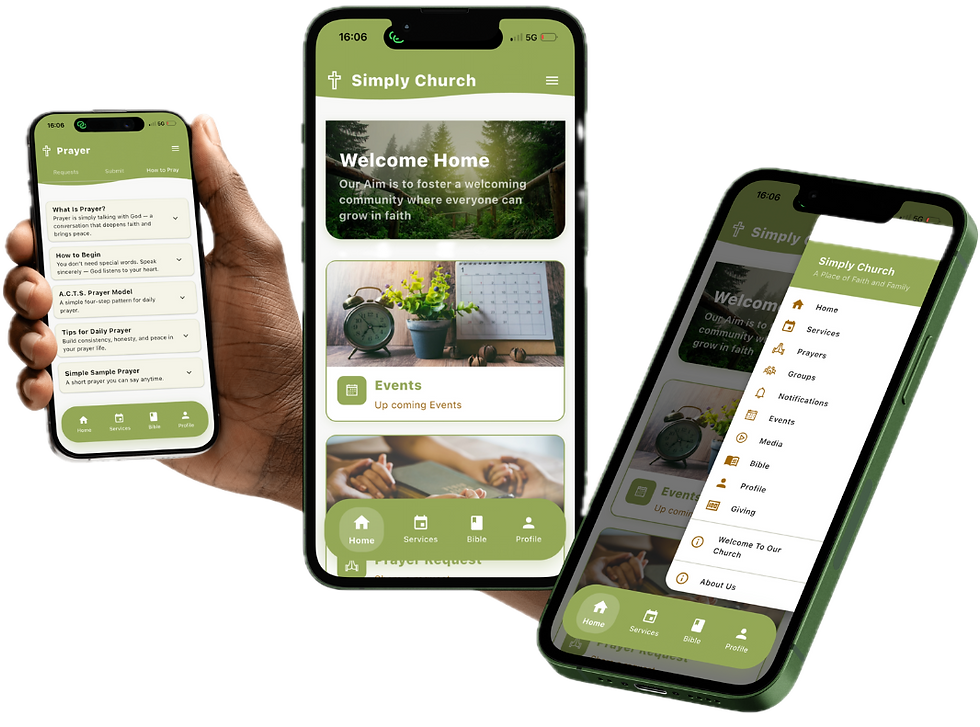
At LifeWorxApp, we believe technology should serve ministry, not the other way around.
Our mission has never simply been to sell software. Our heart is to help churches grow, because healthy, growing churches reach more people with the hope of Jesus Christ. Every new family welcomed, every prayer request shared, every sermon listened to, and every volunteer mobilised creates another opportunity for the Gospel to impact lives.
We know that many churches, especially smaller congregations, simply cannot afford the eye-watering costs often associated with custom mobile apps. Too often, ministries are priced out of the very tools that could help them strengthen communication, disciple their members, and engage the next generation.
That's why LifeWorxApp exists.
We build genuine mobile apps, not website wrappers disguised as apps, designed specifically for churches and ministries. Our goal is to provide affordable, high-quality technology that empowers churches to stay connected with their congregation throughout the week and extend their ministry beyond Sunday mornings.
We don't believe churches should have to choose between financial stewardship and effective communication.
We believe the local church is one of God's greatest instruments for bringing hope to communities. If technology can help a Church welcome newcomers, encourage believers, organise volunteers, support prayer, and point people towards Jesus, then technology becomes a tool for Kingdom impact.
Ultimately, our desire is simple:
To help churches grow so that the message of the Gospel reaches more people.
Because this isn't just about building apps.
It's about helping spread the Word of God.
And we believe that mission should be accessible to churches of every size, not just those with the largest budgets.
Final Thoughts
The question isn't whether technology belongs in ministry.
The question is whether the Church is willing to use every ethical, God-honouring tool available to reach people and disciple them effectively.
A mobile app won't replace faithful preaching.
It won't replace worship.
It won't replace face-to-face fellowship.
But it can help extend the life of the Church beyond Sunday morning.
And perhaps, in a world full of noise, distraction, and isolation, that small icon on a phone might become one more reminder that people are seen, valued, prayed for, and deeply loved by both their church family and by God.
Because ministry isn't confined to a building.
And in 2026, neither should connection be.


Comments